Can We Build Community?
Yes, We Can!
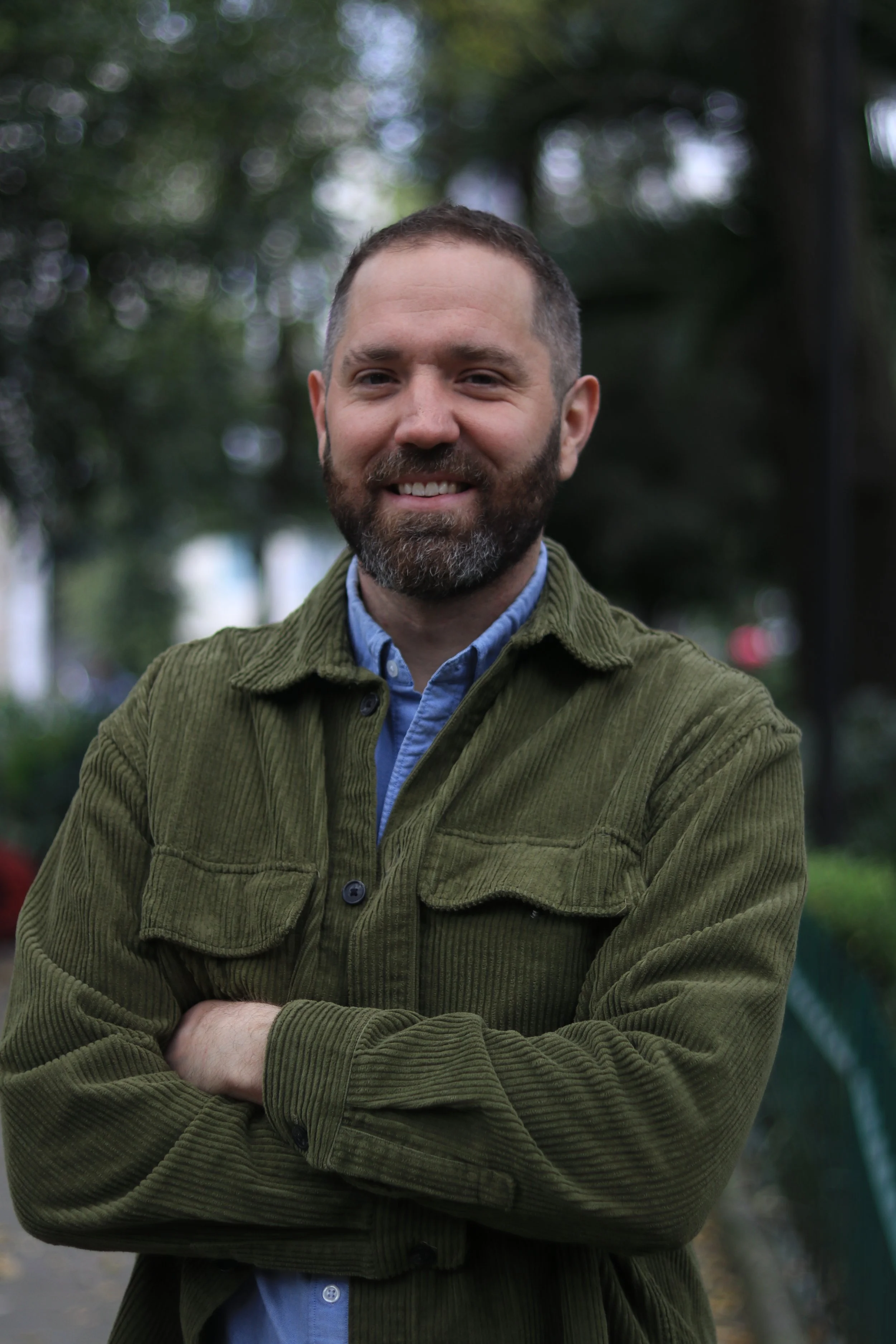

Helping schools, cities, and civic leaders build bridges where others see barriers.


-
For: Communities, schools, nonprofits, and city agencies seeking clearer strategy, stronger relationships, and shared purpose across politically, culturally, and economically diverse groups.
What It Does: Supports teams in understanding their full community ecosystem — people, power, narratives, and resources — and helps design strategies that strengthen cross-sectoral relationships. Provides structure around engagement plans, coalition building, facilitation, agenda setting, and leadership development so groups can move from vision to coordinated action.
Why It Matters: Communities don’t break because people don’t care; they break because people are disconnected. This work brings people into relationship across differences, aligns their efforts, and builds the trust, clarity, and momentum needed for long-term system change.
-
For: Students, faculty, organizers, civic leaders, and community groups who want a deeper understanding of how community systems function — and how to engage them intentionally.
What It Does: Teaches participants to see their community as a multidimensional living ecosystem. Through stakeholder mapping, systems thinking, and relationship and power analysis participants learn both where they fit in the system and how to engage it. They leave with practical skills to diagnose issues, identify leverage points, and organize more effectively for the common good.
Why It Matters: When people understand how their community is connected — and where it is not — they become more thoughtful, strategic, and collaborative. Mapping builds clarity and confidence, empowering participants to design actions that are grounded in relationships, responsive to context, and aligned with collective impact.
-
For: Campuses, conferences, organizations, and communities seeking meaningful, human-centered ways to connect people, spark dialogue, and strengthen civic relationships.
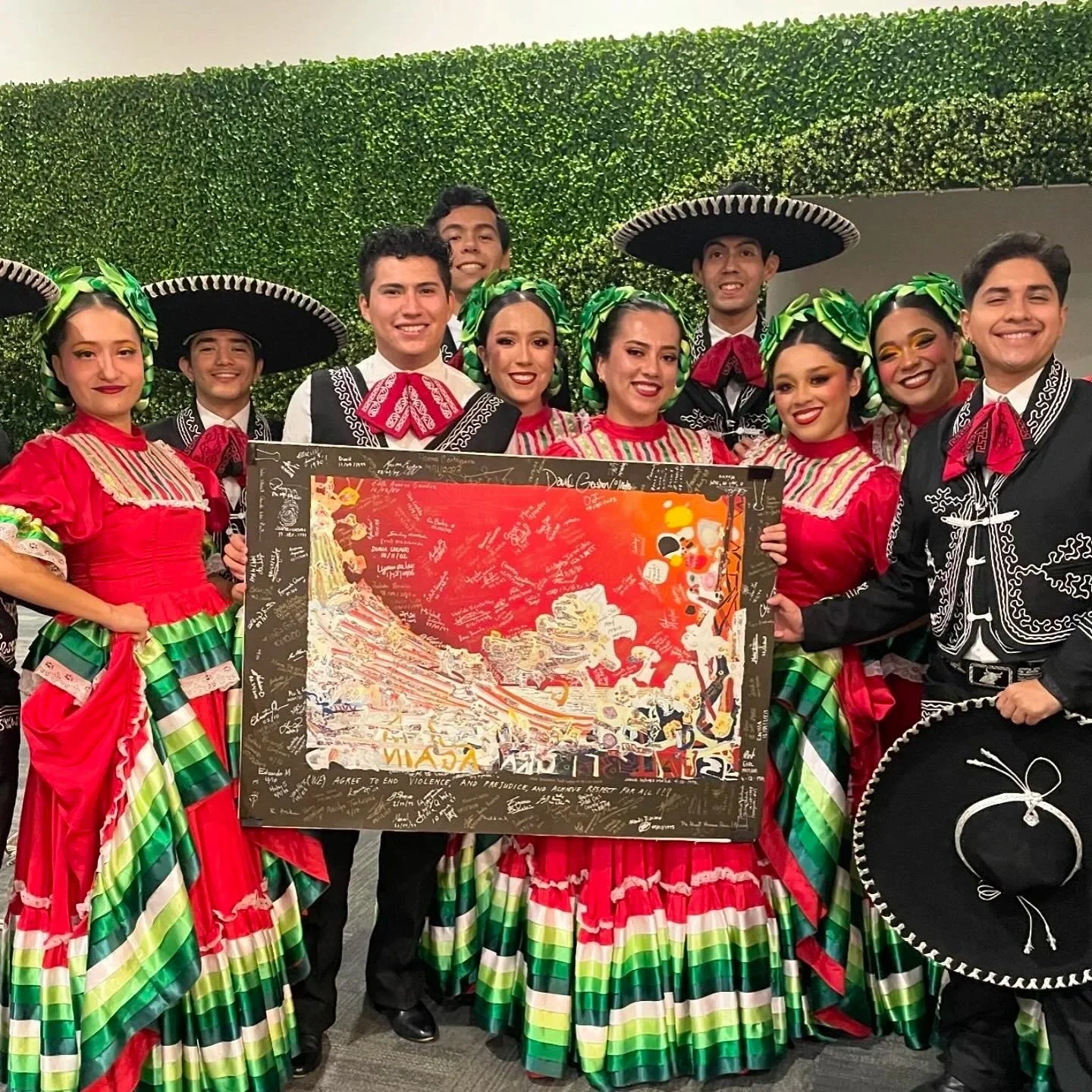
What It Does: Uses participatory art — including the Declarations of Interdependence, Reflection on Isolation, Ripple (dialogue × music × story), and community photo activations — to create intentional spaces where individuals connect one-on-one while contributing to broader system change. These projects blend relational organizing with creative expression to build belonging, hope, and shared civic identity.
Why It Matters: Systems only change when relationships change. Participatory art creates moments that are personal and political — intimate enough to shift individuals, and public enough to shift communities. These projects bring people together across differences, deepen empathy, and turn shared values into visible, collective action.
BOB the peacebuilder SERVICES
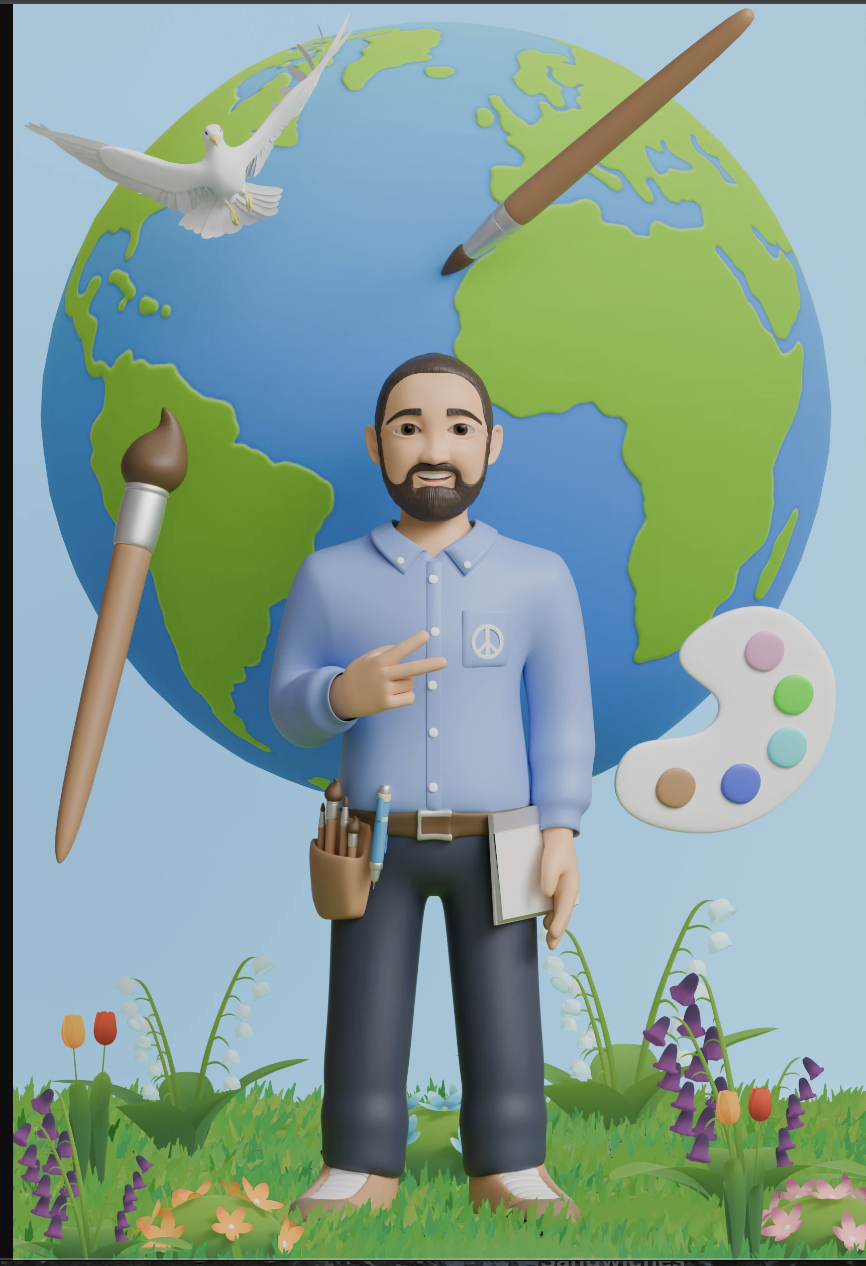
Meet Bob the Peacebuilder
|
Meet Bob the Peacebuilder |
Bob Schlehuber is an organizer, educator, and artist who uses art and events to bring people together. He supports people and institutions in building stronger cross-cultural relationships by designing experiences, tools, and workshops that create meaningful spaces for community connection.
Bob is a Rockford, Illinois native with two decades of experience in community organizing, participatory art, and peacebuilding. Bob’s work combines systems thinking with relational organizing to build effective and efficient community projects.
Bob is the founder of Peacebuilding Connections, a Returned Peace Corps Volunteer in Ukraine, and holds an M.A. in International Peace & Conflict Resolution from American University. Bob is based in Mexico City and supports peacebuilding projects around the world.
Peacebuilding Projects reel
As Featured In
”How a Rockford artist’s work is connecting people across the globe” - Rock River Current, 2022
”Reflection on Isolation | Rockford native to spend 3 days alone for awareness-raising art project” Rock River Current, 2024
“Dugri duo bring a fresh take on the Israeli-Palestinian conflict” - Jerusalem Post, 2023
“Rockford native Bob Schlehuber makes peacebuilding his life's work” - Rockford Register Star, 2015
Bob the Peacebuilder in Action
-

Community Engagement Strategy: Justice for DJ Movement
Supported families and organizers in developing coordinated strategies for advocacy, justice, and collective action.
-
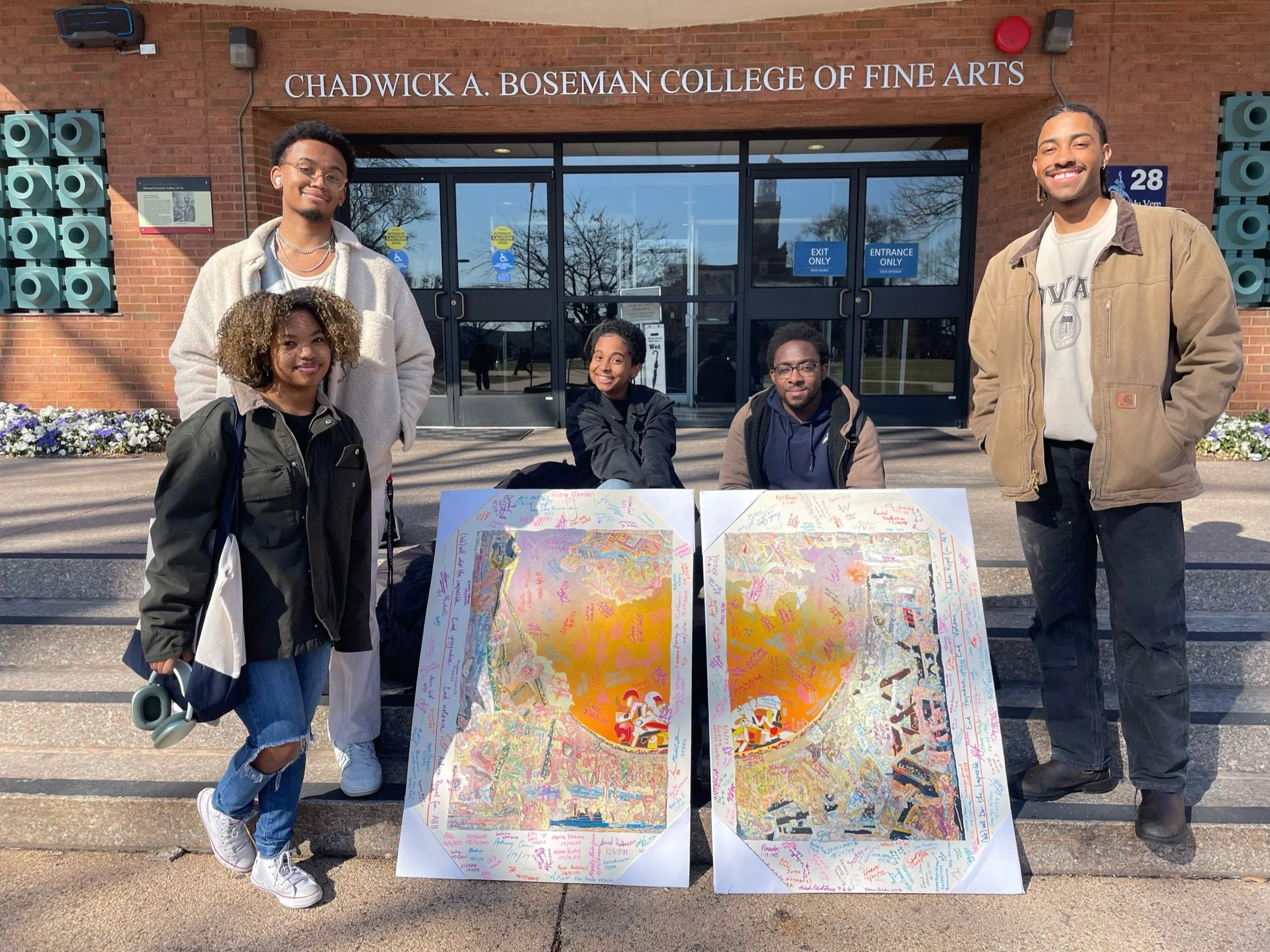
Arts Based Peacebuilding Project: Declarations of Interdependence DC
Brought the Declaration to multiple DC campuses to engage students in dialogue and relational organizing.
-
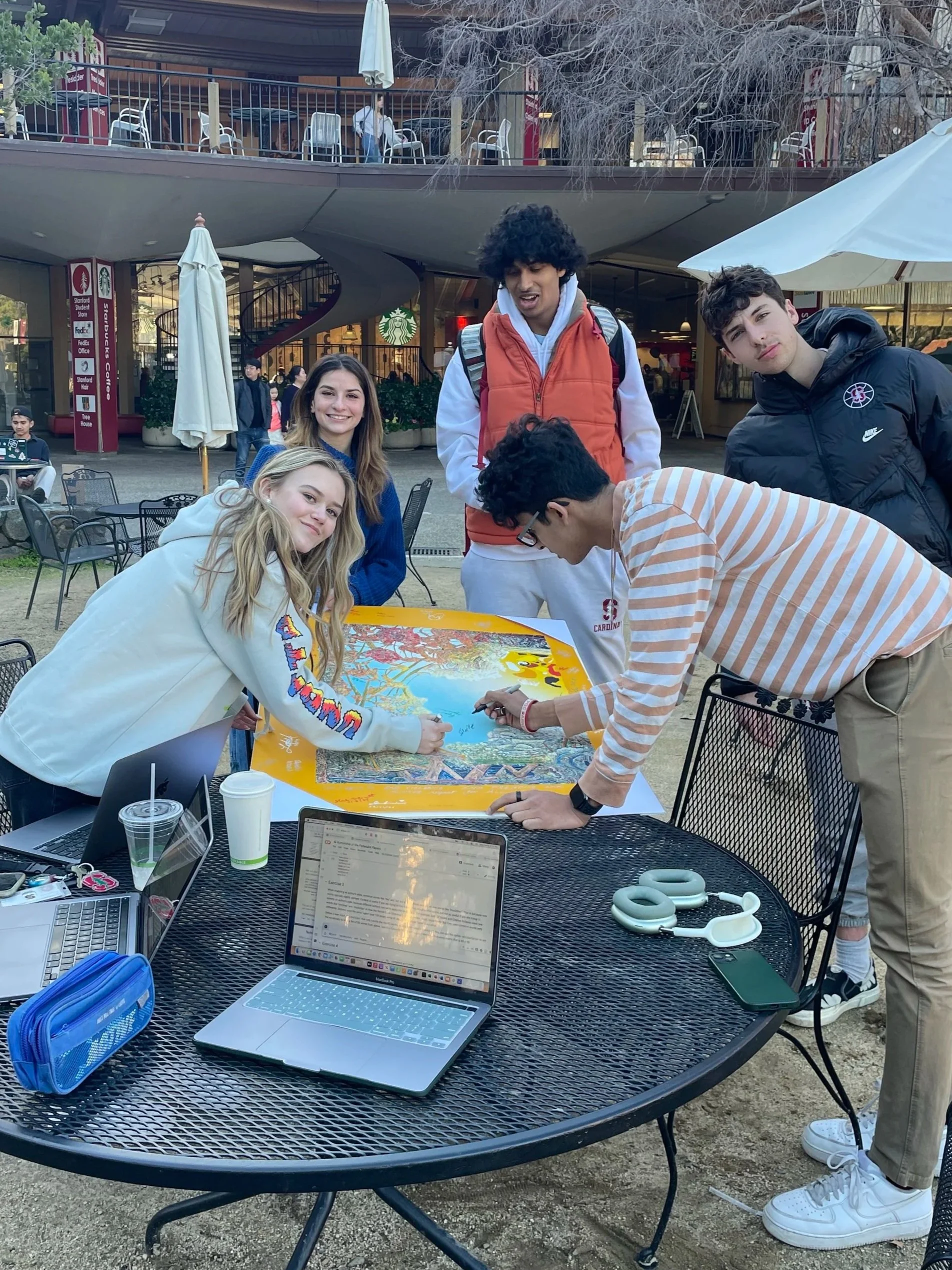
Community Engagement Strategy: Stanford University
Supported students and staff in building a shared strategy for community engagement and cross-sector collaboration.
-
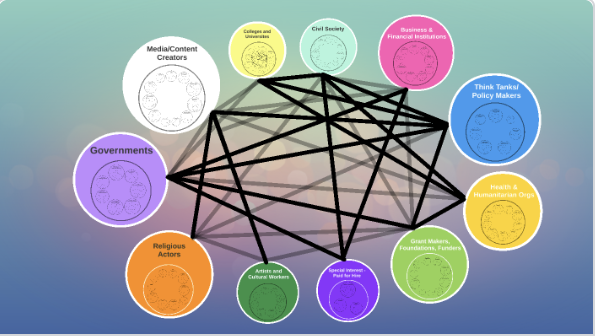
COMMUNITY MAPPING & PEACEBUILDING WORKSHOPS: Rockford University
Facilitated peacebuilding mapping workshops with students to analyze community ecosystems and practice collaborative problem-solving.
-

ARTS-BASED PEACEBUILDING PROJECT: Reflection on Isolation
Created a public art experience exploring loneliness and isolation through immersive design.
-
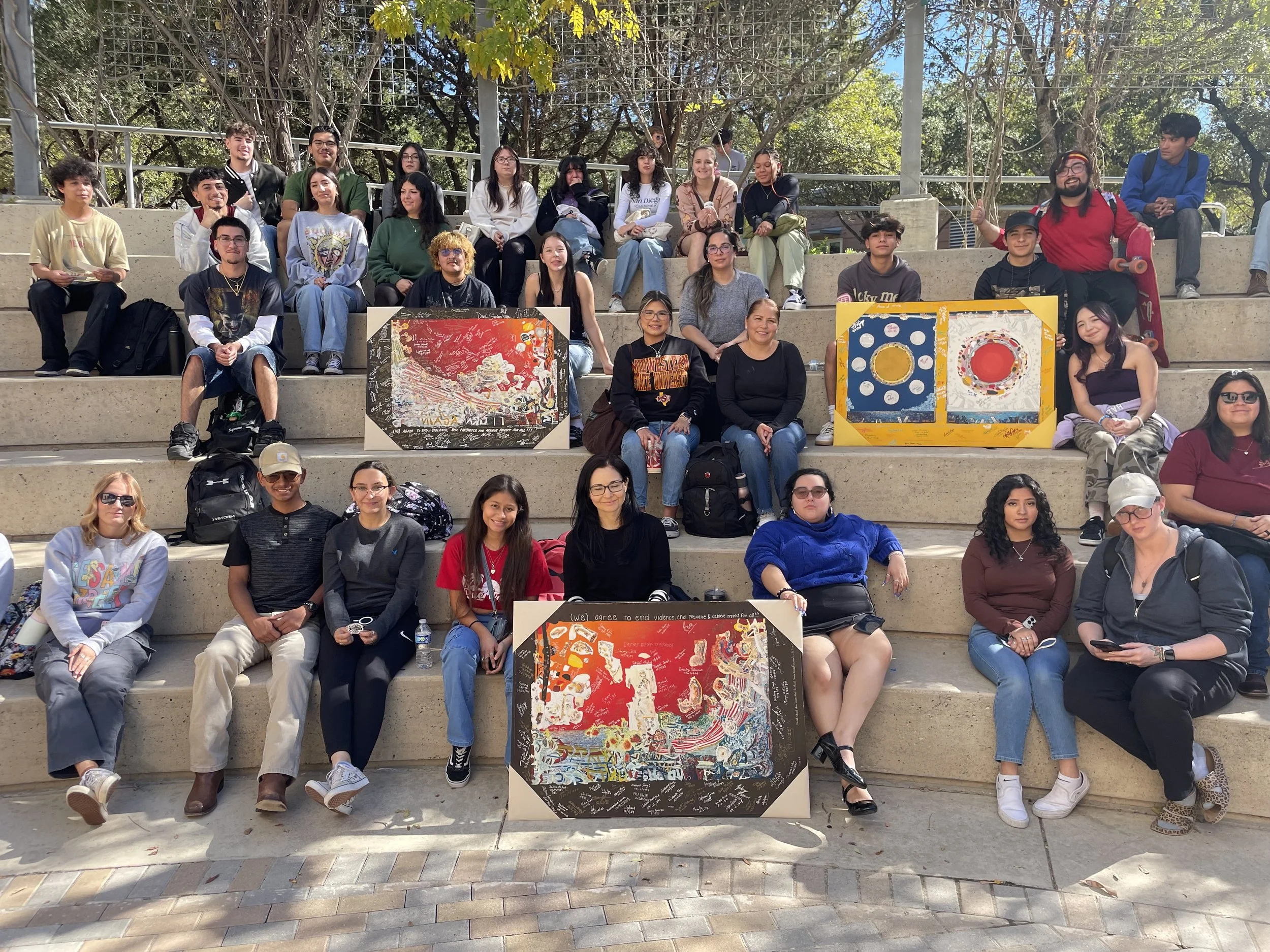
Community Engagement Strategy: Northwest Vista College
Worked with college leadership to design a multi-day engagement plan connecting campus and community partners.
-

Community Mapping & Peacebuilding Workshops: American University
Led participatory mapping sessions to help students analyze power, relationships, and community systems.
-
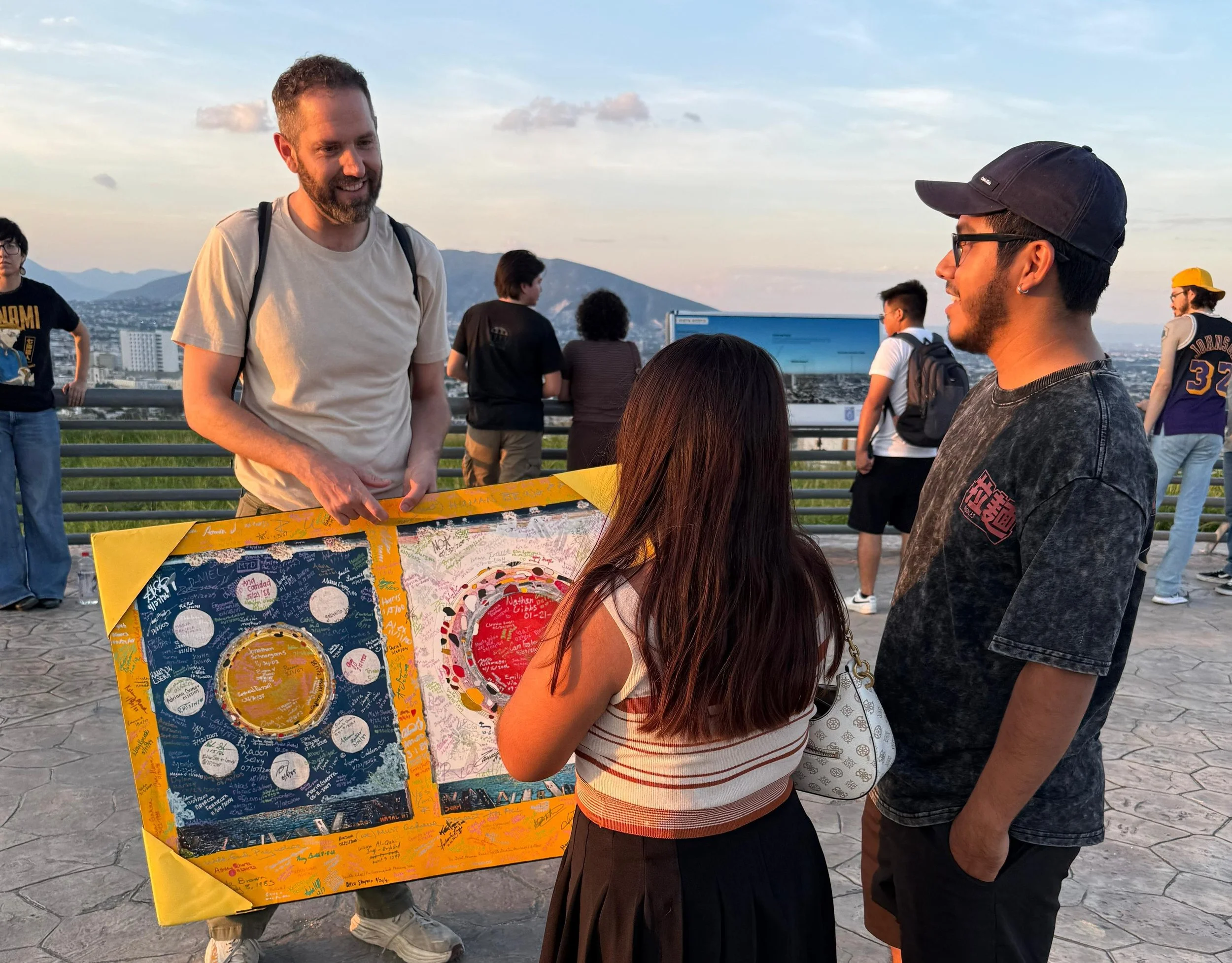
Community Mapping & Peacebuilding Workshops: Camino de Paz y Compasión
Led a cross-border peacebuilding initiative connecting communities in Texas and Mexico through dialogue, art, and collaborative civic engagement.
-
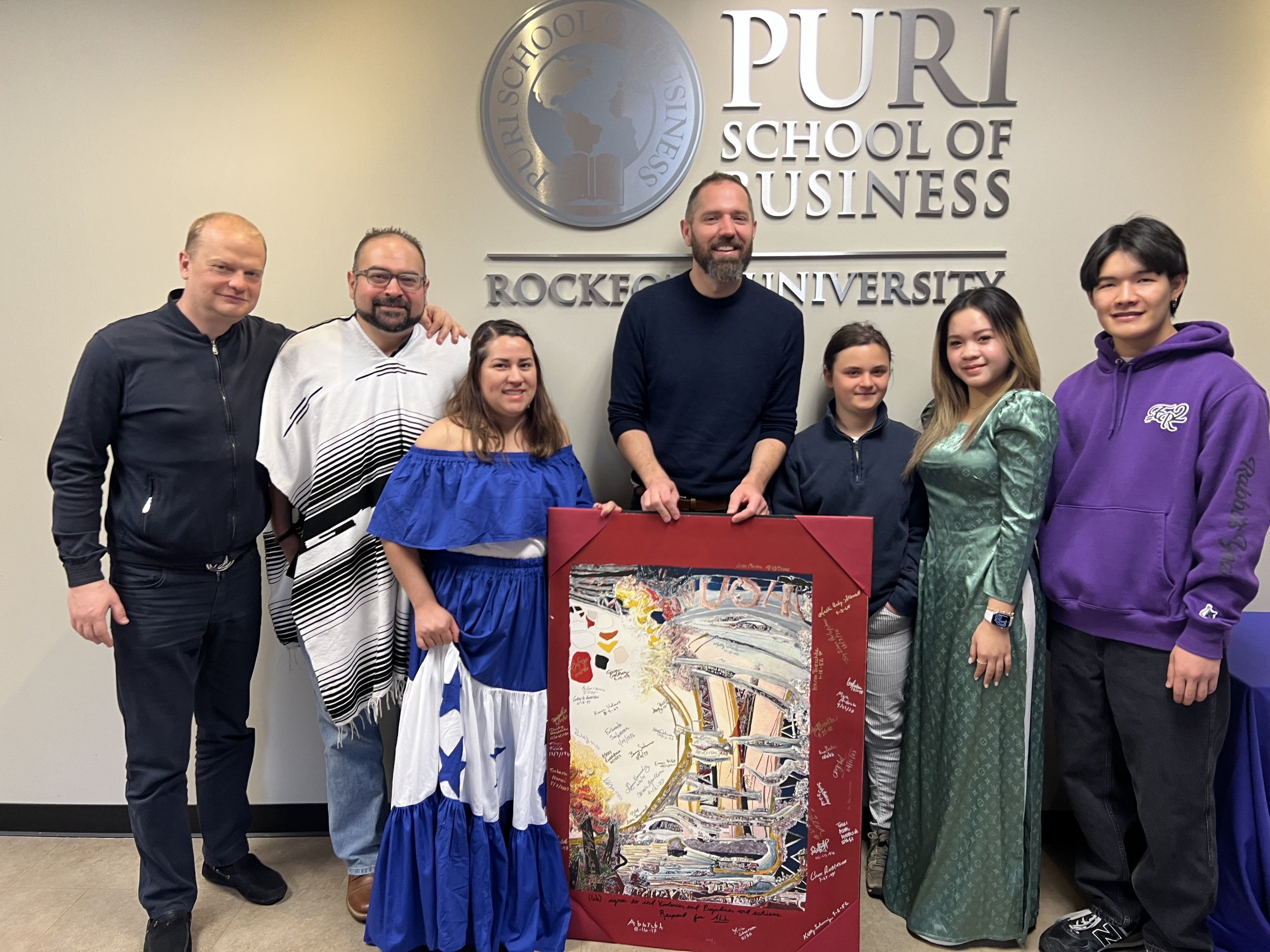
ARTS-BASED PEACEBUILDING PROJECT: International Day of Peace Rockford University
Led a Peace Day signing event that united students and faculty in a shared commitment to connection and community.
What Partners Are Saying
-
![]()
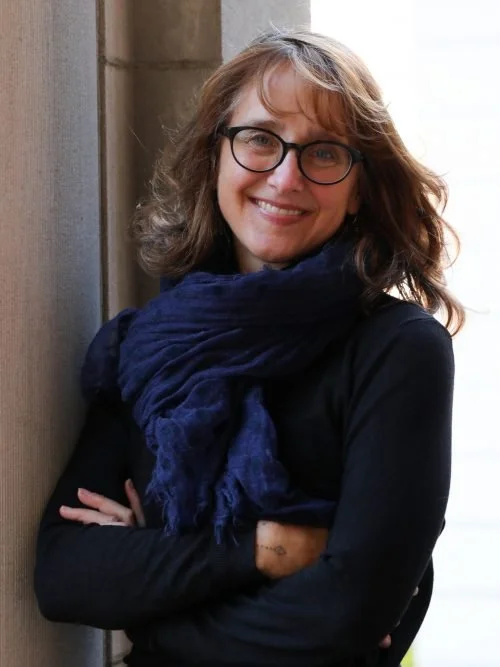
“I’m beyond impressed by Bob's process, from project ideation to the final product.”
Dr. Caroline Light, Harvard University
-
![]()
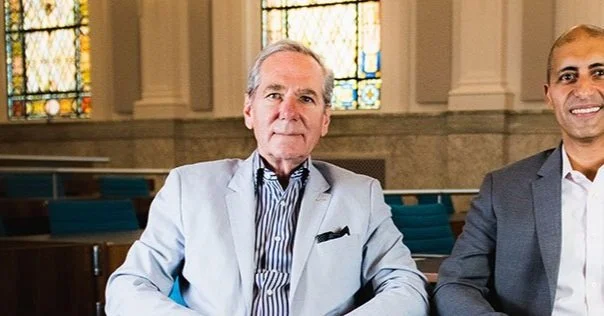
“Bob is a rare example of an exceptionally creative, dynamic, and resolute organizer who belongs at the top of anyone’s list of the next generation of truly gifted leaders of America.”
Peter Yarrow, Peter, Paul & Mary
-
![]()
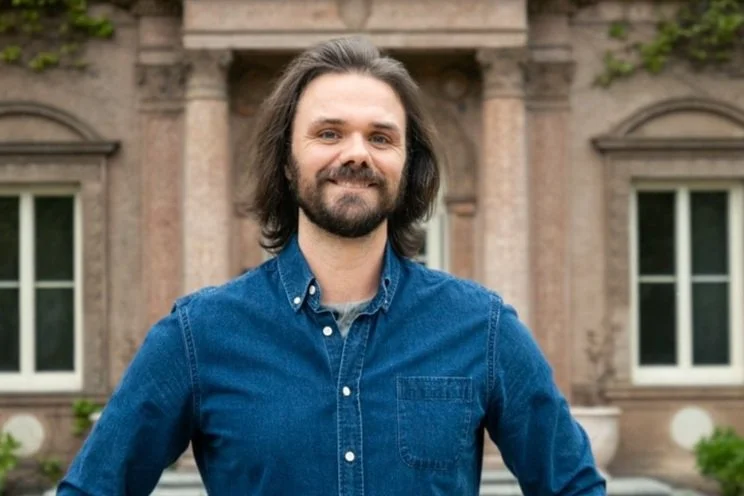
“Bob’s ability to engage and inspire students is unmatched. Well done!”
Professor Bob Sicina, American University
-
![]()
“Bob's peacebuilding work fosters a powerful sense of belonging across diverse cultures.”
Andrew Gray, Resident Life, Stanford University
-
![]()
"Bob showed us that if you are passionate about something, you can make a difference, and there is always something you can do to help people..."
Cate Paterson, Bethesda Chevy Chase High School
-
![]()
Your fan club grows! No surprise there. Largest of thanks for coming to the class. You wowed the students.
Colman McCarthy, Peace Educator and Journalist
-
![]()
Bob's Peace Corps service was especially notable as he showed such wide range versatility. Bob will be a wonderful addition to any organization or project that would have him.
Douglass Teschner, Peace Corps Ukraine, County Director


connect with bob the peacebuilder
a very special Thank you…
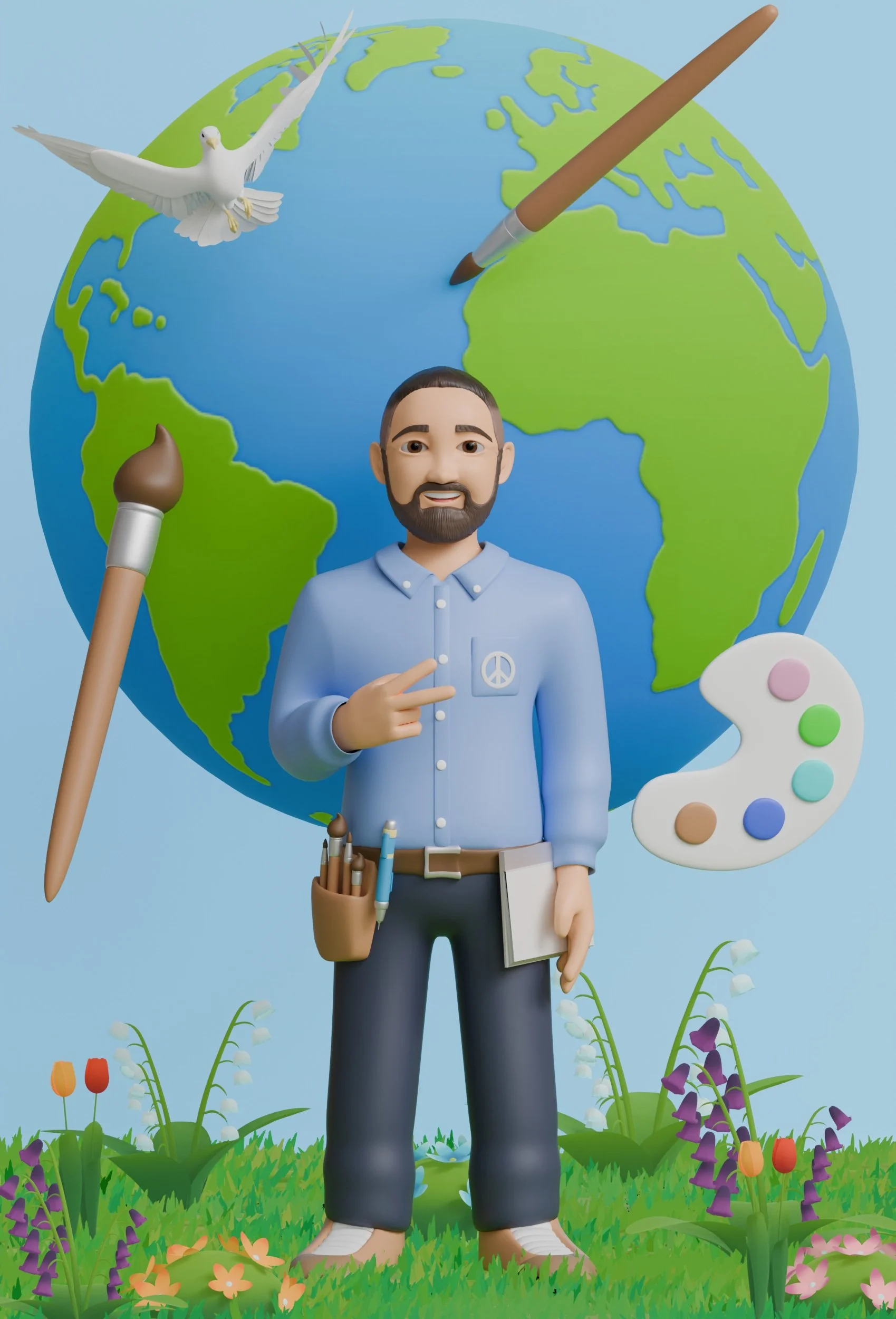
Bob is deeply grateful to the friends, teachers, youth activists, and elders who have shaped his work—especially Dr. Abdul Aziz Said, Colman McCarthy, artist Roland Poska, and his mother, Lois Lutz, whose lives and lessons are the foundations of his work. Bob also offers a special thanks to the mentors who continue to guide, support, and inspire him today:
John Feffer, Author and Director of Foreign Policy In Focus at the Institute for Policy Studies
Afeni, Abolitionist, organizer, advocate, and movement leader
Dr. Caroline Light, Director of Undergraduate Studies, Studies on Women, Gender, and Sexuality, Harvard University
Dr. Sheherazade Jafari, Trainer, Facilitator, Researcher of Inclusive Conflict Resolution
Mary McNamara Bernsten, Artist and Executive Director of the Rockford Area Arts Council
John Kiriakou, American whistleblower, author, journalist
James Early, Former Director of Cultural Heritage Policy at the Center for Folklife and Cultural Heritage at the Smithsonian Institution
Bob Sicina, Retired Professor in Residence, American University; Retired Senior Executive at Citibank and American Express